- English
- Español
- Português
- русский
- Français
- 日本語
- Deutsch
- tiếng Việt
- Italiano
- Nederlands
- ภาษาไทย
- Polski
- 한국어
- Svenska
- magyar
- Malay
- বাংলা ভাষার
- Dansk
- Suomi
- हिन्दी
- Pilipino
- Türkçe
- Gaeilge
- العربية
- Indonesia
- Norsk
- تمل
- český
- ελληνικά
- український
- Javanese
- فارسی
- தமிழ்
- తెలుగు
- नेपाली
- Burmese
- български
- ລາວ
- Latine
- Қазақша
- Euskal
- Azərbaycan
- Slovenský jazyk
- Македонски
- Lietuvos
- Eesti Keel
- Română
- Slovenski

What Is a Cover Screw and Why Is It Essential?
Cover screws play a critical role in dental implant procedures, protecting the implant during the healing process. This article provides a comprehensive guide to understanding cover screws, their types, installation techniques, maintenance, and troubleshooting strategies. Shenzhen Yamei Medical Technology Co., Ltd. shares expert knowledge to help dental professionals achieve optimal outcomes and minimize complications.
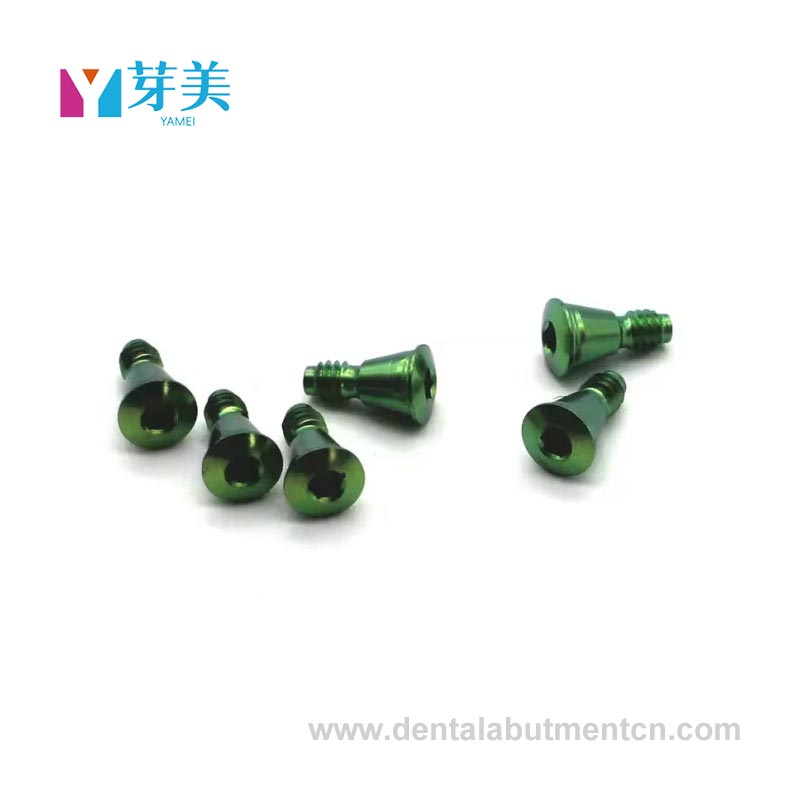
Table of Contents
- Introduction to Cover Screws
- Types of Cover Screws
- Step-by-Step Installation Guide
- Maintenance and Care
- Common Issues and Troubleshooting
- Frequently Asked Questions (FAQ)
- Conclusion & Contact Information
Introduction to Cover Screws
A cover screw is a small yet essential component in dental implant systems. Its primary function is to protect the internal threads of a dental implant during the healing phase after placement. Without a proper cover screw, the implant site may become contaminated, increasing the risk of infection or failure.
Shenzhen Yamei Medical Technology Co., Ltd. has been at the forefront of producing high-quality cover screws designed for durability and precision. Understanding their purpose and proper usage is critical for dental professionals aiming for successful implant outcomes.
Types of Cover Screws
Cover screws come in various materials, sizes, and designs. Choosing the right type can directly impact healing and patient comfort.
| Type | Material | Use Case | Advantages |
|---|---|---|---|
| Standard Cover Screw | Titanium | General dental implants | Biocompatible, durable, widely available |
| Flat-Top Cover Screw | Titanium Alloy | Shallow implants or soft tissue cases | Prevents soft tissue irritation |
| Platform-Switching Cover Screw | Titanium | Implants with platform-switching design | Promotes bone preservation, reduces peri-implantitis risk |
| Custom Cover Screw | Ceramic or Titanium | Specific patient anatomy or aesthetic cases | Improved aesthetics and patient comfort |
Step-by-Step Installation Guide
Proper installation of a cover screw is crucial for implant stability. Shenzhen Yamei Medical Technology Co., Ltd. recommends the following steps:
- Ensure Cleanliness: Sterilize the implant site and cover screw before use.
- Align Properly: Position the cover screw over the implant threads carefully to avoid cross-threading.
- Secure the Screw: Use the recommended torque (typically 10–15 Ncm for most systems).
- Check Stability: Ensure the screw is flush with the implant surface, avoiding protrusion.
- Close Tissue: Suture the gum tissue over the cover screw for protection during healing.
Proper technique minimizes complications and accelerates the healing process.
Maintenance and Care
Maintaining the cover screw and implant site is vital for long-term success.
- Regular Cleaning: Use antiseptic solutions to reduce bacterial load around the implant.
- Monitoring: Periodically check for loosening or tissue inflammation.
- Replacement: If the cover screw shows wear or damage, replace it promptly with a high-quality component from Shenzhen Yamei Medical Technology Co., Ltd.
- Documentation: Record installation torque and any follow-up care notes for reference.
Common Issues and Troubleshooting
Even with proper care, dental professionals may encounter issues with cover screws. Here are common problems and solutions:
| Issue | Possible Cause | Solution |
|---|---|---|
| Loose Screw | Insufficient torque or improper installation | Re-tighten using correct torque; replace if threads are damaged |
| Soft Tissue Irritation | Protruding screw or sharp edges | Use flat-top or customized cover screws; ensure flush installation |
| Infection | Contamination during installation or poor oral hygiene | Maintain sterilization, prescribe antiseptics if necessary |
| Cross-Threading | Misalignment during placement | Remove and reinstall carefully with proper alignment |
Frequently Asked Questions (FAQ)
- Q: How long should a cover screw stay in place? A: Typically, cover screws remain during the healing phase, usually 3–6 months, depending on the implant system and bone integration.
- Q: Can I reuse a cover screw? A: No. Reusing cover screws can compromise sterility and integrity, leading to complications.
- Q: Are all cover screws compatible with every implant? A: No. Always use cover screws recommended by the implant manufacturer, such as Shenzhen Yamei Medical Technology Co., Ltd., to ensure compatibility.
- Q: What material is best for cover screws? A: Titanium is widely preferred due to biocompatibility and strength. Ceramics may be used in aesthetic cases.
- Q: How do I know if a screw is properly torqued? A: Use a calibrated torque driver. The screw should be flush with the implant platform without wobbling.
Conclusion & Contact Information
Cover screws, though small, are a vital component of dental implant procedures. Proper selection, installation, and maintenance significantly improve patient outcomes and reduce complications. Shenzhen Yamei Medical Technology Co., Ltd. provides reliable, high-quality cover screws that meet the needs of dental professionals worldwide.
For customized solutions, bulk orders, or technical support, contact us today and ensure your dental implants achieve optimal performance.